
In this issue, getting philosophical about how to approach AI, including Rovo, with the right mindset to avoid feeling left out and behind.
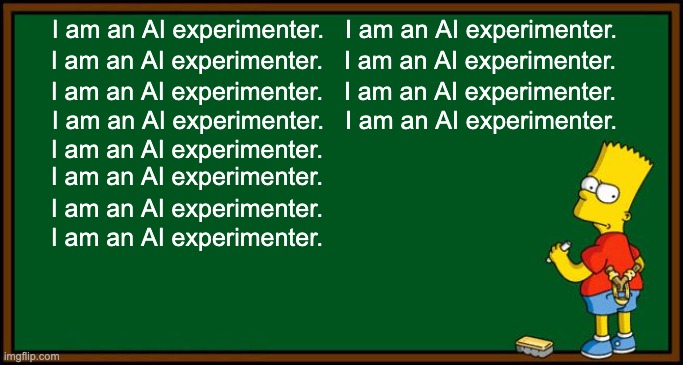
You Never Walk Alone
If you’ve ever felt like everyone else is fully embracing AI and getting amazing results while you’re just faking it… This will put things into perspective. You’re not behind.
AI panic
There’s an underlying theme in many debates, including our recent livestream about Atlassian Rovo: we’re trying to apply the traditional expert mindset to a technology that simply doesn’t follow the usual pattern.
Most of us built our careers on mastering tools, refining processes, in short, we became experts and we evolved.
Large language models (LLMs) upend that pattern:
-
They change – evolve constantly and at a staggering pace.
-
Even their creators don’t fully understand every behavior.
As a result, you can’t finish learning and then follow the development the way you learned Jira, Confluence, or a programming language.
That’s why I don’t know what I’m doing is not a confession – it’s the default state.
The Experimenter Mindset
To work productively with AI, you need to expect a cycle of:
Experimentation → Frustration → Iteration
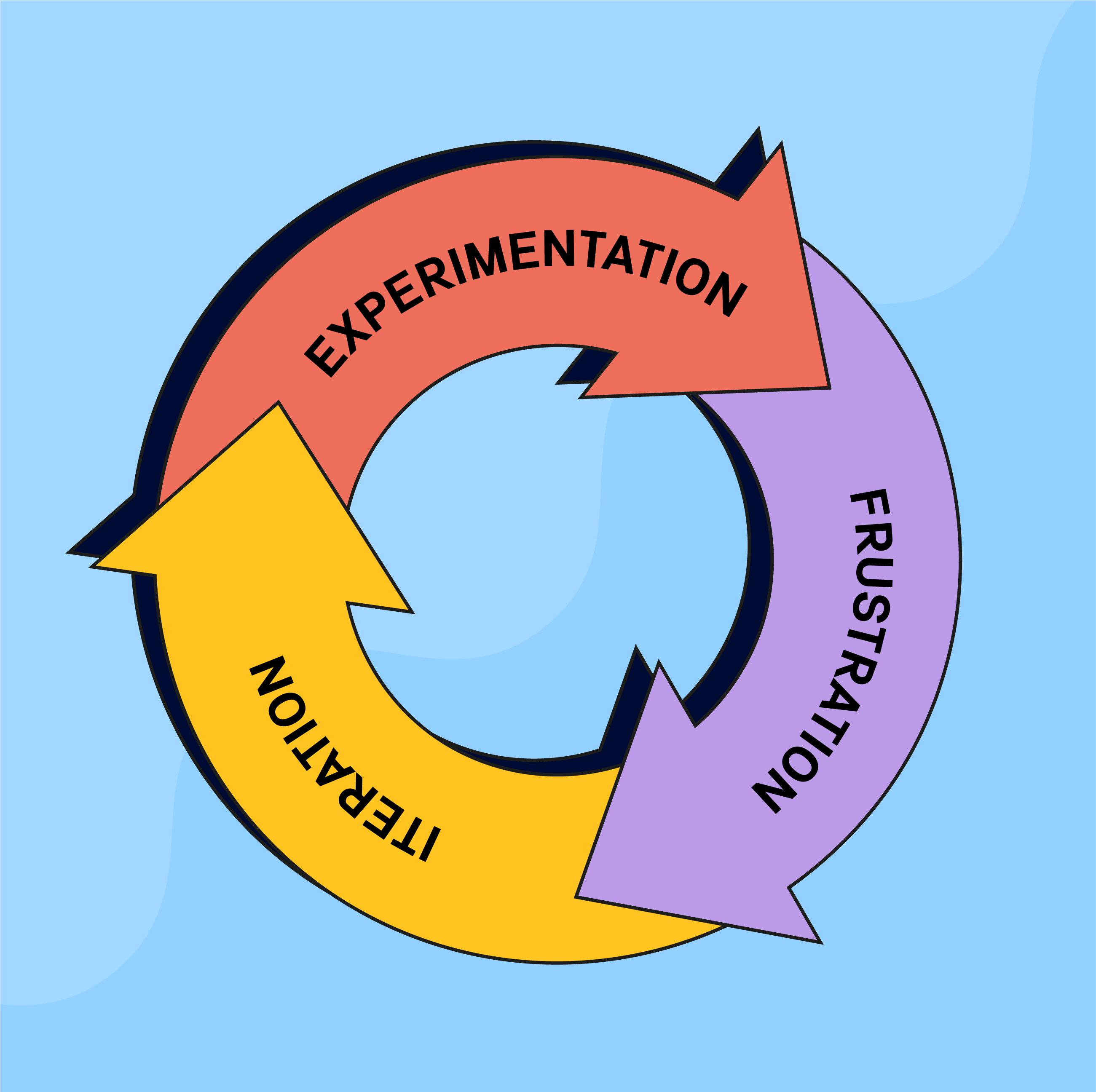
No matter what you do, LLMs will misinterpret your intent and hallucinate. And when the underlying model changes, their behavior changes too. None of that means you’re doing it wrong.
But your mental approach model needs a paradigm shift – you’re setting expectations for yourself AND for the tool you’re using.
-
I must get this right! → I’ll try something small and see what happens.
-
It failed, I’m bad at this. → I now know one more thing it can’t do yet.
-
I need the perfect prompt. → I’ll improve the prompt over a few rounds.
The time cost and knowing when to stop
Experimenting and building with AI takes time.
Creating a useful agent or workflow means crafting the role it should play. You have to clean-up and wire up resources. Then you will define prompts, refine prompts, then refine prompts again. Then comes testing, debugging, and re‑testing…
So if your leadership is saying Use AI to be more efficient you’re absolutely entitled to say:
-
Great. Where in my week do I get time to experiment?
-
If I’m now a builder/experimenter, I need 4–8 hours a week to do that.
Giving you AI but not giving you time is not a productivity strategy. It’s just a new form of pressure.

AI Will Not Replace You
There’s a lot of talk about agentic AI and tools replacing people. A lot of that is hype. Reality is more grounded:
Sure, generative AI is great at rewriting, summarizing, and translating text. It can transform content in bulk. It can handle clearly defined, repeatable text-based actions.
But AI is bad at:
-
understanding nuance and intent the way humans do.
-
extrapolating from the unsaid context.
-
following owning complex, interconnected responsibilities.
-
making context‑rich decisions about what actually matters.
For example, LLMs cannot handle complexities and nuances of a proper documentation lifecycle.
You’re not being replaced by an agent. At best, the agent can become a junior helper, an intern. And it’s your responsibility to verify that intern’s work.
Garbage In, Garbage Out (now in 4K)
The content you already have matters more than ever. Inconsistencies, old content, incomplete Jira work items, etc. will mean that Rovo, and any other tool, will happily summarize wrong data, make decisions based on outdated information, and amplify the mess.
If leadership wants AI superpowers, they must also invest in:
-
cleaning up work items.
-
clarifying ownership.
-
maintaining accurate documentation.
You can use AI to help with cleanup (more on that in a later issue), but you still need human judgment to define what “good” looks like.
Final Thoughts
If you only do three things after reading this, make it these:
-
Rename your role (in your head) from AI expert to AI experimenter.
-
Ask for time.
Next time someone says Use AI more, respond with, Great. Let’s schedule a weekly experiment time. -
Pick one small workflow and run a few low‑stakes experiments instead of trying to automate everything.
If you're in doubt where or how to start, this video outlines an easy-to-follow AI adoption plan.
Confluence News
New LLM models for your Rovo agents
Atlassian is rolling out upgrades for the backend LLM model that powers Rovo agents. All new agents created after March 17 will use the new model by default.
After March 31 (US), any agents still on the old model will be automatically upgraded.
Smarter way to compare page's versions
If you looked up the page version history in recent days, you may have noticed that the traditional UI was replaced by a side panel. This makes selecting and comparing versions that you want to compare much easier.
Curious? Check if the new experience is enabled on your site or click below for details.
Live Event: Great Content Migration

Matt Reiner and Kristian Klima held a live event on March 18, 2026, discussing content migration and consolidation as a part of your documentation strategy. They also explored using AI in getting your content from other resources into Confluence.
If you missed the live event, you can rewatch it here and learn more about:
💭 Planning what to migrate (and what to leave behind)
🧱 Structuring your spaces and pages before and after you import
📄 Handling Word and Google docs
🌐 Cleaning up and importing HTML content
🧹 Normalizing formatting, headings, and page structure
🧠 Using AI to speed up cleanup and restructuring
Don’t forget to check out our summary that includes details of the vibe-coding sessions - The Great Content Migration - Live Stream Wrap-up.
Benefit from Monthly Confluence Tips

Join our Monthly Dose of Confluence newsletter and discover smarter ways to work, publish, and collaborate in Confluence.


